Am I an Addict?
This is a common question that comes up in therapy, and I always respond with a question of my own: What does the word "addict" mean to you? Do you picture a family member, a friend, or a character from a movie? Maybe someone from a support group, or a celebrity's tragic biography?
The Addict Archetype

An archetype is a powerful symbol or character type that holds a legendary and mythological essence. Other archetypes include the Magician, the Hero, the Clown, and the Vampire. The Addict is usually imagined as powerless, sick, untrustworthy, and dangerous: a screen onto which we project our fears, disgust, and shame.
It's worth understanding what this label means to you, both personally and culturally. From there, we can move beyond it toward a more nuanced, realistic understanding of what a substance use disorder actually is.
The Evolving Language of Addiction
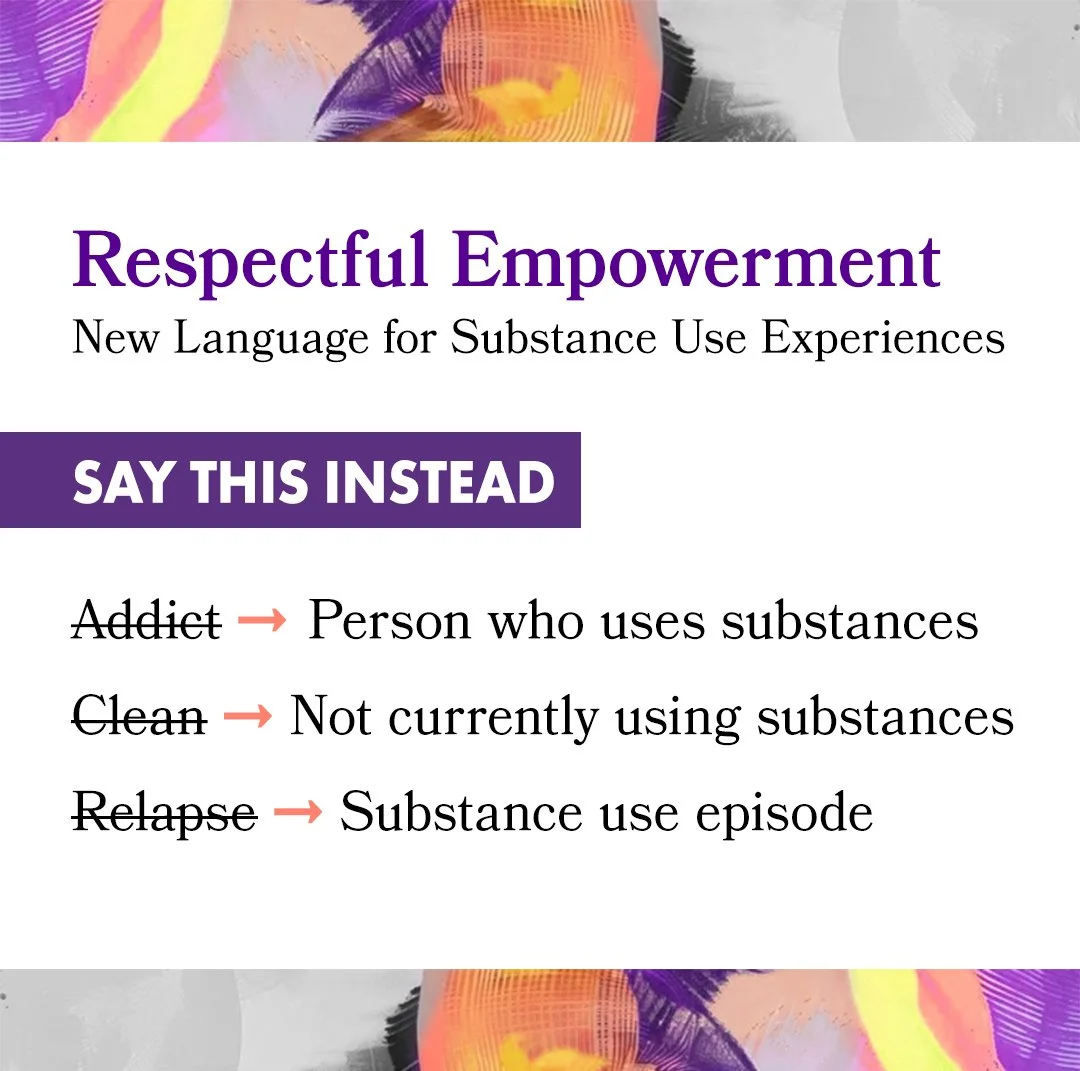
Addiction is often described as a chronic, lifelong brain disease, but a growing number of researchers disagree (Grifell & Hart, 2018). It may surprise you that "addiction" isn't a medical diagnosis at all. The DSM, the manual therapists use to make diagnoses, deliberately leaves the word out, "because of its uncertain definition and its potentially negative connotation" (Robinson & Adinoff, 2016).
So What Language Should We Use?
Substance Use Disorders (SUDs)
I diagnose using the specific, non-shaming psychiatric terms in the DSM. The key thing to understand is that a substance use disorder is defined by a set of symptoms, and symptoms are experiences that come and go, shifting in severity over time. Experiences are not a type of person. For that reason, I tend to set the word "addict" aside in my work, except when we're exploring what it means to you.
Do I Have a Substance Use Disorder?
A good question. The diagnostic criteria are a useful place to start: ask yourself whether your substance use is getting in the way of the life you want, or creating strain in your career, health, finances, or relationships. If it is, you may be experiencing an SUD, but rather than self-diagnosing, it's worth seeing a licensed therapist who can also assess for co-occurring factors such as trauma, mood disorders, and ADHD.
Which Treatments Work Best?
No single treatment, philosophy, program, or therapeutic approach works for everyone. Therapy for SUDs should be customized, non-shaming, compassion-focused, and trauma-informed. Your age, home environment, support system, and your racial, cultural, and spiritual background are essential parts of treatment.
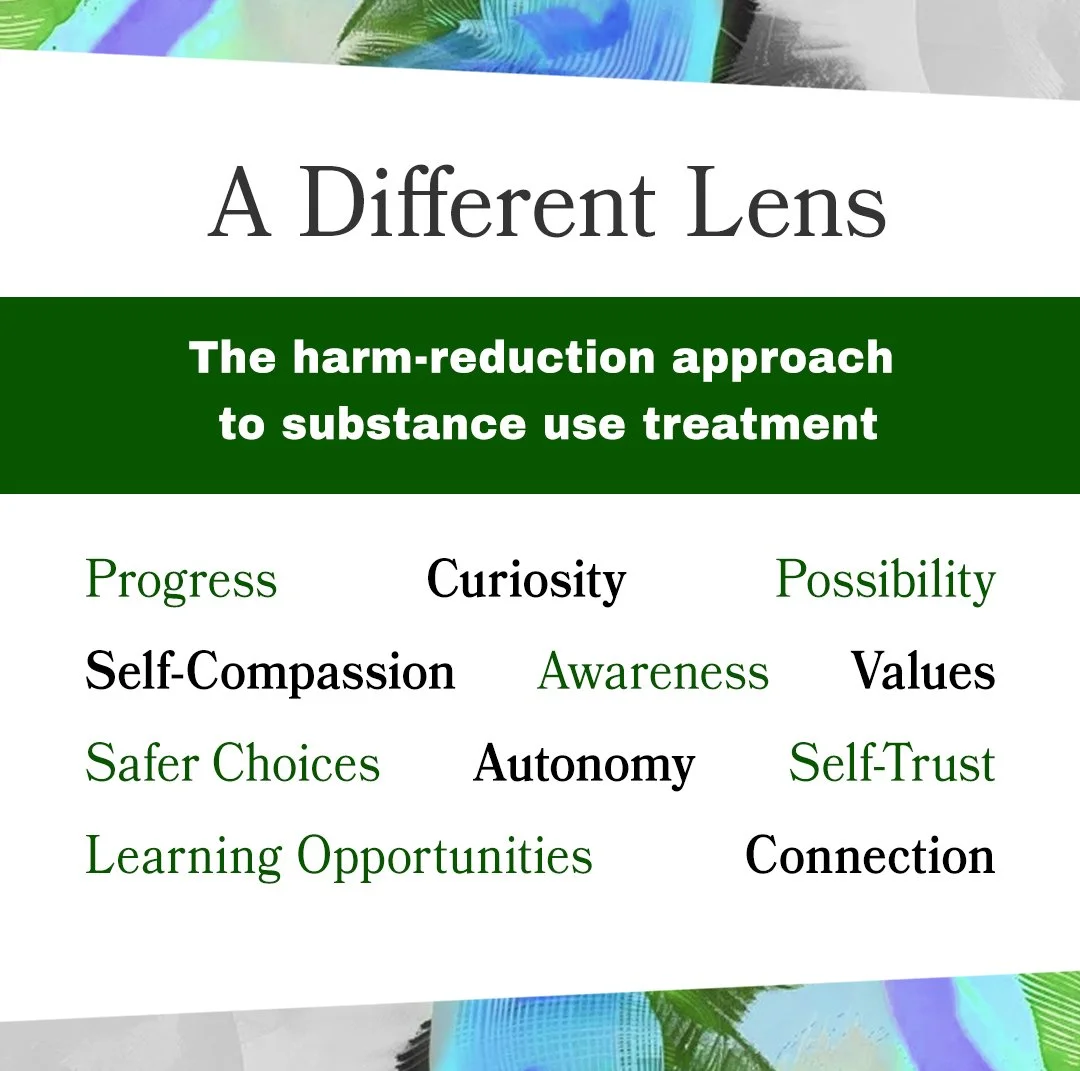
In my experience, a flexible, harm-reduction approach tends to lead to the best outcomes. Together we'll define what progress looks like for you and adjust it as your goals change.